NHL Shutouts: What Makes a Goalie Hot? | Strategies & Stats
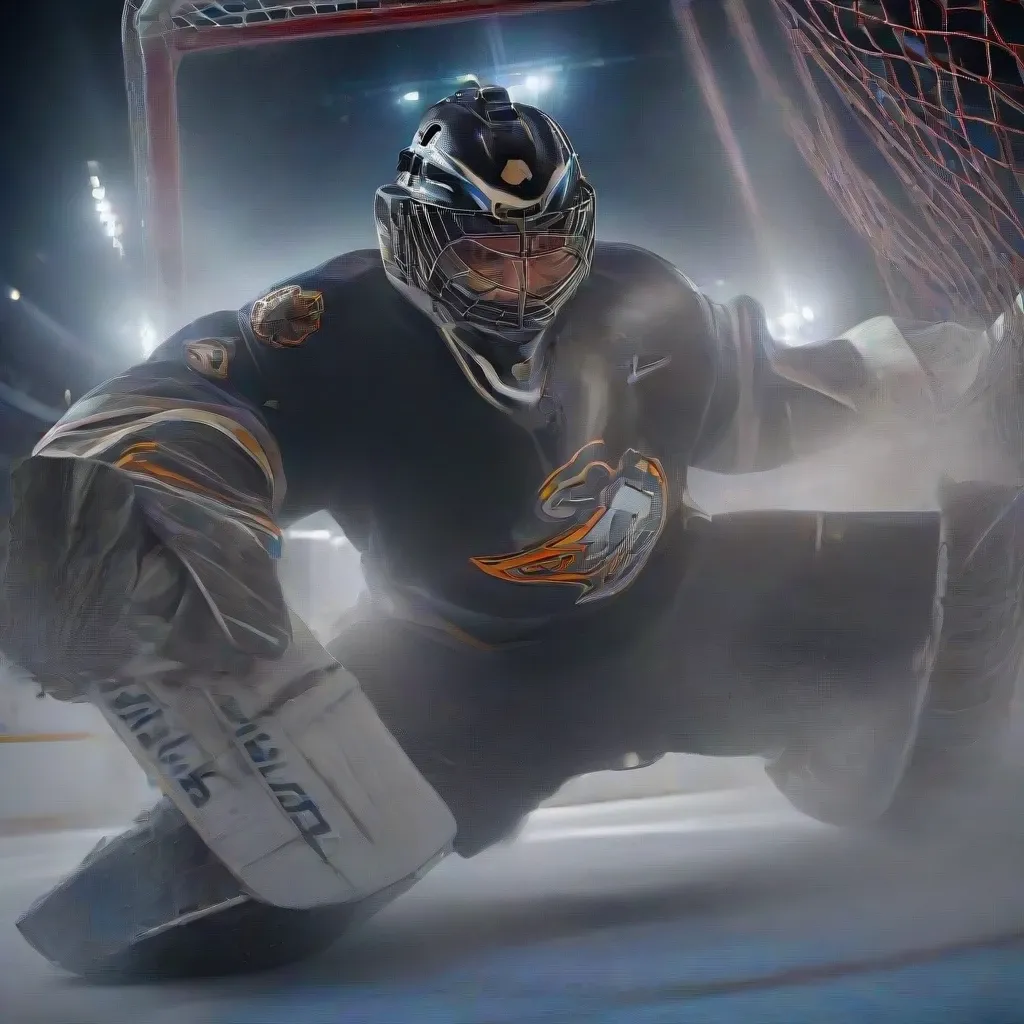
The roar of the crowd, the final buzzer, and the goose egg still stares back from the scoreboard. An NHL shutout. It’s more than just a win; it’s a goalie’s masterpiece, a testament to unwavering focus and peak performance. Every save echoes louder, every glove flashing feels like a robbery, and the opposing team finds itself stonewalled at every single attempt. To achieve a shutout means that a goalie is not just good; he’s in the zone, riding a hot streak that can electrify an entire team.
But what exactly fuels this phenomenon? This isn’t just about luck. A true examination shows a symphony of elements working in perfect harmony. This exploration delves into the multifaceted world of the NHL shutout, offering a holistic understanding of what it truly means for a goalie to be “hot.” We will explore the unsung heroes in front, analyzing how teamwork and defensive strategy impact a goalie’s shutout potential. Then, we will dive into the numbers, examining key statistics that often foreshadow and accompany shutout performances. Finally, we will peek behind the mask, understanding the crucial role mental fortitude plays in maintaining focus and composure when the pressure is at its absolute highest.
Defining the “Hot Goalie”: More Than Just Stats
The term “hot goalie” gets thrown around a lot in hockey, but what does it really mean? Sure, a high save percentage is a good indicator, but it only scratches the surface. A truly hot goalie is more than just a statistical anomaly; they embody a confluence of factors that elevate their game to another level. It’s about confidence radiating off them, an almost palpable sense of momentum, and an uncanny ability to adapt to the evolving pressures of the game.
While stats provide a valuable snapshot, they often miss the nuances of a goalie’s performance. They can’t quantify the impact of a timely save that shifts the game’s momentum or the psychological effect a confident goalie has on the opposing team. A goalie might have a statistically average game, but their calm demeanor and strategic positioning can project an aura of invincibility. The “eye test” often reveals more than the numbers. It’s about observing their body language, their focus, and their command of the crease. Are they anticipating plays before they develop? Are they challenging shooters assertively? These are the subtle indicators of a goalie who’s truly in the zone.
Think of goalies who have demonstrably elevated their game, carrying their teams on deep playoff runs. While their skills are undeniable, it’s often their intangible qualities that separate them from the pack. They possess an unshakable belief in their abilities, a knack for making clutch saves, and a relentless competitive drive. These are the hallmarks of a hot goalie, a player who transcends the numbers and embodies the essence of peak performance.
Beyond the Numbers: The Intangibles of a Hot Streak
The intangibles are such a big part of a goalie’s performance, and on a hot streak, they’re amplified. Confidence can dramatically sharpen a goalie’s reaction time, almost as if they’re seeing the play unfold in slow motion. In moments where you feel unbeatable, the puck just seems to stick to your pads. That feeling directly translates into improved, even tangible metrics. Suddenly, those difficult cross-crease saves become routine, and deflections that might have snuck past now get swallowed up with ease. This mental game and focus are crucial.
The Anatomy of a Shutout: Teamwork and Goaltending Synergy
A shutout in hockey isn’t solely a testament to a goaltender’s brilliance; it’s the beautiful culmination of a synergistic relationship between the goalie and the team’s defensive structure. It’s a masterpiece painted with blocked shots, cleared rebounds, and relentless defensive pressure, all orchestrated to protect the net. A goalie can be having a hot streak, but it is also the result of the team’s defensive results. When studying the correlation, it is possible to determine how the team’s defensive performance impacts the possibility of a shutout.
Defensive Systems that Support Shutouts
Various defensive systems are employed to fortify the defensive zone and provide the goalie with the support needed to achieve a shutout. Different defensive zone coverages can have a significant impact. For instance, a zone defense focuses on covering specific areas of the ice, which can limit scoring chances but may be vulnerable to skilled puck-handling forwards. Man-to-man coverage provides tighter marking but requires exceptional skating and awareness.
Shot blocking is another crucial data point. Statistics highlight that teams with a high number of blocked shots often concede fewer goals. Those sacrifices are not in vain! Furthermore, rebound control is paramount. A team that effectively clears rebounds denies opponents second-chance opportunities, reducing the pressure on the goalie and increasing the likelihood of a shutout.
Statistical Significance: Trends and What They Reveal
In the world of hockey, evaluating a goalie’s performance goes far beyond simply looking at wins and losses. Savvy analysts and hockey fans alike delve into statistics like save percentage, goals-against average (GAA), and shutout numbers to paint a more complete picture. But understanding trends within these stats is where the real insights lie.
Save percentage, arguably the most crucial stat, reflects the proportion of shots a goalie stops. A consistently high save percentage, particularly one sustained above920, often indicates a top-tier goalie. However, a goalie’s save percentage is never static. Some goalies might have brief periods of exceptional performance, resulting in high peaks, followed by significant dips. In contrast, a goalie who consistently maintains a915 to925 save percentage, even without flashy shutout numbers, might be a more reliable and sustainable asset in the long run. This consistent performance showcases their true skill and can be a far more accurate predictor of future success than isolated periods of brilliance. Analyzing trends—the trajectory of these numbers over time—provides a much clearer perspective than any single data point.
GAA, while still relevant, can be misleading as it’s heavily influenced by team defense. A goalie playing behind a porous defense might have a higher GAA despite stellar individual play. Similarly, shutouts, while impressive, can be sporadic and heavily influenced by game circumstances. To truly decipher a goalie’s effectiveness, it’s essential to consider these stats in conjunction with save percentage trends and, increasingly, advanced analytics.
Using Advanced Analytics to Evaluate Goalie Performance
The modern game has embraced advanced analytics to refine goalie evaluation. Stats like expected goals against (xGA) and high-danger save percentage offer deeper insights into a goalie’s capabilities. Because team play impacts traditional stats, advanced data helps isolate the goalie’s contribution. So how do you know how good a goalie really is? Expected Goals Against considers the quality of shots a goalie faces, providing a benchmark for how they should perform based on the difficulty of those shots. A goalie who consistently outperforms their xGA is likely demonstrating exceptional skill.
High-danger save percentage focuses specifically on saves made on shots from high-scoring areas, giving a clearer picture of a goalie’s ability to handle the most challenging scoring chances. By comparing a goalie’s performance against these advanced metrics, it minimizes the impact of team-based factors and provides a more nuanced and accurate assessment of a goalie’s true talent and value.
Mental Fortitude: The Goalie’s Mindset During a Hot Streak
A goalie on a hot streak isn’t just lucky; it’s a testament to their mental game. It’s about more than reflex saves. It’s about the mental fortitude to sustain high performance. Some goalies react to good results, riding the wave of success as it comes. The truly elite, however, anticipate success. They cultivate sustainable mental habits that make a hot streak less about chance and more about consistent execution. This means shifting the focus from uncontrollable elements like lucky bounces to improving the controllables: positioning, reaction time, and mental clarity.
This intense focus directly impacts confidence. Instead of fearing the streak will end, they build a stronger belief in their abilities. This self-assurance becomes a self-fulfilling prophecy, reinforcing positive performance. High-pressure situations become opportunities to showcase their skills, rather than threats to their success. Coping strategies are crucial in maintaining this mindset. Techniques that help goalies stay grounded, manage stress, and block out distractions are essential tools for navigating the pressures of a hot streak. By prioritizing mental preparation and employing effective coping mechanisms, goalies can transform fleeting moments of brilliance into extended periods of dominance.
Routines and Rituals for Maintaining Focus
Routines and rituals are the unsung heroes of a goalie’s mental game. They provide a framework to maintain focus amidst the chaos of the game. These can range from specific pre-game stretches and visualizations to particular meals they eat. Many goalies have specific rituals they perform before each game. These rituals act as anchors, grounding them and signaling to their minds that it’s time to perform.
Pre-game routines are crucial for building composure and confidence. They offer a structured way to mentally prepare, allowing goalies to visualize success. Post-game routines are just as important. These allow goalies to decompress, analyze their performance, and prepare mentally for the next challenge. By consistently employing these routines, goalies cultivate a sense of control, which reinforces their mental fortitude and sustains their excellence.
Actionable Strategies: Capitalizing on a Goalie’s Hot Streak
Workload Management and Practice Strategies
Riding a goalie’s hot streak can significantly boost a team’s performance, but it’s a double-edged sword. Overplaying them can lead to burnout, diminishing their effectiveness and potentially causing injury. The challenge lies in finding the sweet spot: maximizing their time in the net while ensuring they remain fresh and focused. Coaching staffs need to carefully observe goalies, looking for subtle signs of fatigue – both physical and mental. These signs can include a dip in reaction time, increased rebound frequency, or a general lack of sharpness.
Strategic workload management is crucial. Instead of automatically starting a hot goalie every game, consider a rotational approach, giving them frequent, but not consecutive, starts. This allows them to maintain their rhythm without accumulating excessive wear and tear. Incorporating strategically timed rest days into the schedule is also beneficial. These days should be true rest, devoid of strenuous activity, allowing the goalie to fully recover.
Practice drills should be tailored to maintain sharpness without overexertion. Focus on quality over quantity. Instead of long, grueling sessions, opt for shorter, high-intensity drills that simulate game-like scenarios. Incorporate drills that emphasize specific skills, such as lateral movement, glove saves, and rebound control. Video analysis can also be a valuable tool, allowing the goalie to identify areas for improvement without physically straining themselves. The key is to create a practice environment that reinforces positive habits and builds confidence, rather than contributing to fatigue.
Conclusion
In conclusion, achieving shutouts and securing victories demands a multifaceted approach. It’s not solely about one star player or a stroke of luck. Building confidence through rigorous training, fostering unwavering mental fortitude, and implementing a robust defensive system are critical for stifling the opposition’s attack.
While teamwork forms the bedrock of a solid defense, a hot goalie can undeniably elevate a team’s performance, turning near-certain goals into demoralizing misses for the other side. When strategy meets skillful execution, and mental toughness complements physical prowess, the possibility of success amplifies exponentially.
Understanding these elements provides a roadmap for coaches, players, and fans alike, illuminating the path toward more frequent shutouts and, ultimately, more triumphant seasons.