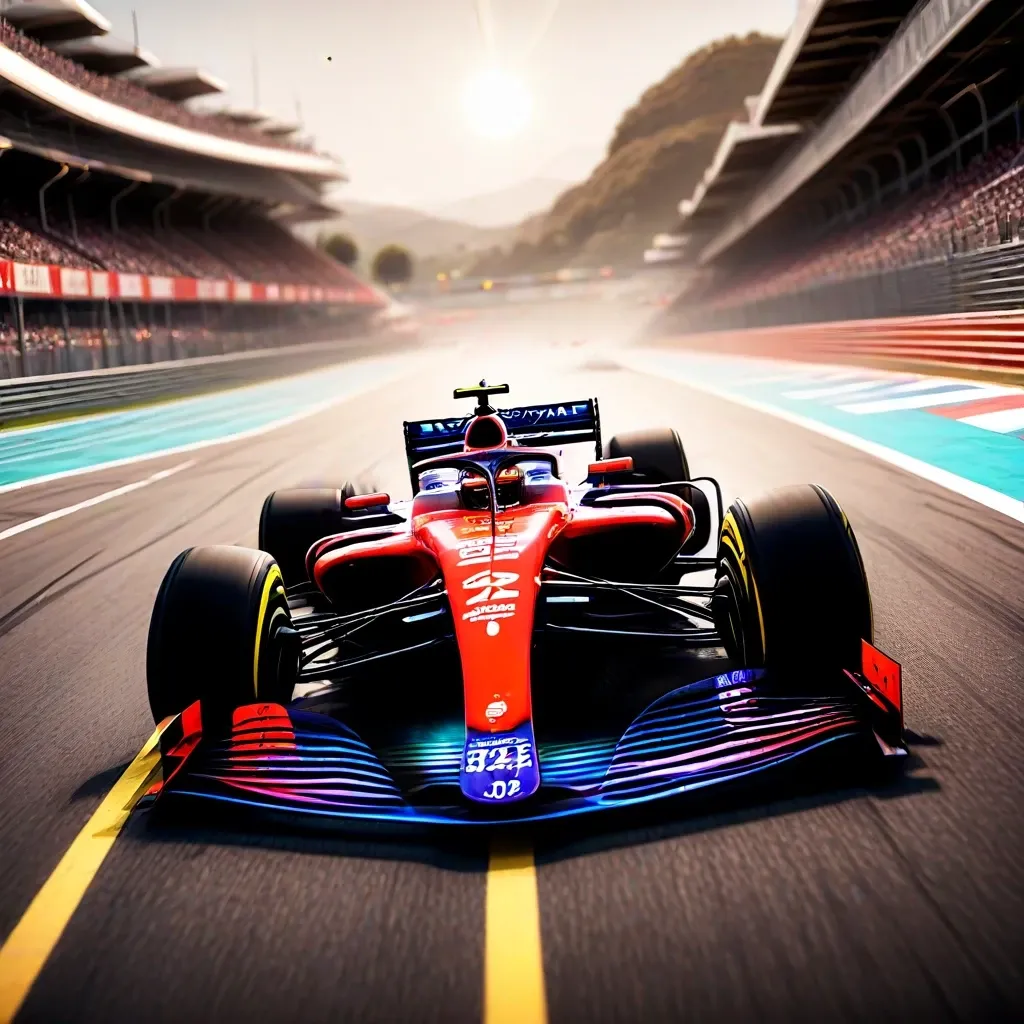
DRS in F1: Artificial Overtaking or Tactical Advantage?
Remember that heart-stopping moment when Verstappen, using DRS, slingshotted past Leclerc on the final lap at, securing the championship? Overtaking is the lifeblood of Formula 1, the raw, adrenaline-fueled action that ignites the stands and electrifies screens. Yet, more often than not, these overtakes are happening within the confines of the Drag Reduction System (DRS) zones, raising eyebrows and sparking debate.
This begs the question: has F1 become too reliant on DRS for overtaking? This article dives deep into the world of DRS, dissecting its mechanics, exploring its strategic implications, and pondering its future in the sport of F1. We’ll examine whether this technology truly enhances racing or if it’s inadvertently diminishing the raw skill and strategic brilliance that overtaking used to demand.
The DRS Era: A Primer
The Drag Reduction System, or DRS, is a mechanism designed to make Formula 1 racing more exciting. The core function of DRS is to allow drivers to modify the rear wing of their cars. This reduces aerodynamic drag, which leads to a significant boost in speed, creating more opportunities for overtaking. The goal of DRS was simple: to make it easier for cars to follow each other closely and create more nail-biting moments. Since its inception, DRS has become an integral part of the sport, although sometimes controversial among purists.
How DRS Works Mechanically
The rear wing is crucial for generating downforce, which pushes the car onto the track and improves grip, especially in corners. However, this downforce comes at the cost of increased drag, which slows the car down on straightaways. The DRS mechanism incorporates a flap on the rear wing that can be opened via a hydraulic actuator. This opening reduces the wing’s angle of attack, thus decreasing both downforce and drag. With the gap opened, the car becomes more streamlined, allowing it to achieve considerably higher speeds. When DRS is activated, cars can gain significant speed boosts, sometimes exceeding 20 km/h, depending on the circuit and car setup, thus increasing the chances of overtaking.
Driver Control and Activation
A driver activates DRS using a button on the steering wheel. However, the activation isn’t unrestricted. The FIA (Fédération Internationale de l’Automobile) enforces strict regulations. DRS can only be used in designated zones on the track, and only when a driver is within one second of the car in front at a specific detection point. The timing is crucial. If the driver successfully overtakes, DRS deactivates. Also, the system is disabled during safety car periods and in wet conditions to ensure safety. Some technical rules will be updated in 2025 to make DRS more balanced and strategically interesting.
Why DRS Zones Become Overtaking Hotspots
Track Design and Zone Placement
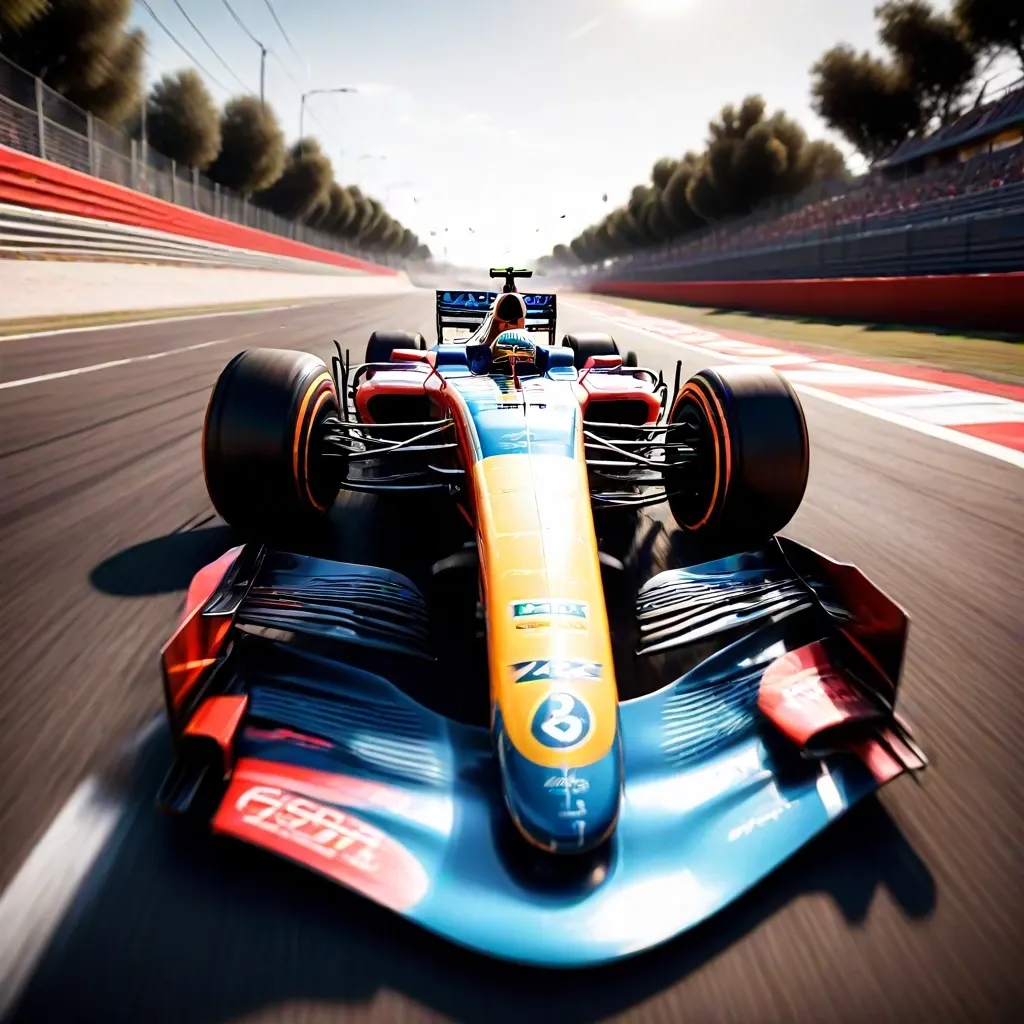
The strategic placement of DRS zones is pivotal in dictating where overtaking maneuvers are most likely to occur in Formula 1 races. Tracks featuring extended straight sections followed immediately by demanding braking zones provide the most fertile ground for DRS-assisted passes. These layouts inherently amplify the effectiveness of the DRS, turning these segments into overtaking hotspots. FIA’s decision-making process prioritizes these track features when determining DRS zone placement to boost action. The strategy is simple: give drivers the best shot at closing in and making a move under braking.
Reducing the ‘Dirty Air’ Effect
‘Dirty air’, or aerodynamic turbulence, severely hampers a following car’s ability to maintain pace and handle predictably. This disturbed airflow reduces downforce, making it incredibly difficult to follow closely and set up an overtaking opportunity. DRS directly combats this issue by temporarily reducing drag, granting a crucial speed advantage that enables drivers to close the gap. While DRS provides a significant boost, it doesn’t entirely neutralize the effects of dirty air. Drivers still need skill and precision to capitalize on the DRS advantage and complete the overtake, proving that even with technological assistance, racing remains a battle of skill and strategy.
DRS as a Tactical Battlefield: Attack and Defense
DRS is more than just an overtaking button; it’s a sophisticated tactical instrument utilized for both offensive and defensive maneuvers. Strategical application of DRS significantly influences race outcomes, demanding a well-thought-out and calculated approach. Drivers use DRS to strategically position themselves, setting up overtakes by closing the gap in crucial sectors, turning defense into attack in the blink of an eye. The fine margins dictate that it is often better to be behind.
A fascinating “cat and mouse” situation unfolds as racers try to predict DRS activation. One driver might feign allowing another to close, only to surge ahead right before the detection point, denying them the advantage on the following straight. This anticipation is a chess match on wheels, requiring intense focus. In a recent race, a driver skillfully used DRS on the penultimate lap to close the gap on their opponent, forcing a defensive error and securing a podium finish, highlighting the impact of calculated DRS usage.
The Art of the DRS Undercut/Overcut
The DRS amplifies the effectiveness of both the undercut and the overcut strategies. For example, a driver boxing early for fresh tyres can use DRS to significantly reduce lap times, putting pressure on the cars ahead and potentially jumping them during their pit stops. Conversely, a driver staying out longer on worn tyres can use DRS to defend their position and maintain competitive lap times, aiming for an overcut when their rivals pit.
As tyres degrade, the DRS becomes even more critical. A driver struggling with grip and losing time in the corners might use DRS to compensate on the straights, maintaining a competitive pace and extending their stint. This delicate balance between tyre management and DRS usage is what separates the strategists from the merely fast.
Defensive DRS Tactics
Defensive driving involves a range of techniques aimed at keeping a following car just outside that crucial 1-second window. This could involve strategically positioning the car in corners to compromise the follower’s exit speed, or using the full width of the track to prevent them from getting a clean run. It’s an exciting display of strategy and driving skill.
However, aggressive defensive tactics carry risks. Erratic defending, such as weaving excessively or blocking unfairly, can result in penalties, potentially undoing all the hard work. The stewards are quite strict and monitor such behavior closely, ensuring safety and fair play. Balancing the need to defend a position with the imperative to race cleanly is a high-stakes game of millimeters and split-second decisions.
The Debate: Is DRS “Real” Overtaking?
The Drag Reduction System (DRS) has become a constant companion in modern motorsport, yet its presence ignites a fiery debate: does it engineer artificial overtaking, or does it inject excitement into races? Critics argue that DRS undermines the essence of driver skill, transforming carefully crafted overtakes into pre-determined maneuvers. They contend that the system makes passing too simple, diminishing the reward for superior car setup and strategic driving. The focus shifts from outmaneuvering an opponent through cunning and bravery to simply activating a wing and breezing past on a straight.
However, proponents of DRS paint a different picture. They argue that it enhances entertainment, injecting a necessary dose of overtaking opportunities into races that might otherwise become processions. DRS can help level the playing field, allowing cars with slight performance disadvantages to close the gap and challenge for position. Without it, they say, races could become predictable, with the fastest car simply disappearing into the distance.
At the heart of this debate lie the “racing purists,” who yearn for the days of purely organic overtakes – moves born from driver brilliance and daring, not from a button press. They believe genuine racing involves a complex dance of strategy, skill, and risk, something potentially diluted by the artificial assistance of DRS. Whether DRS is a necessary evil or a valuable tool remains a point of contention, forever coloring the perception of modern motorsport.
Beyond DRS: The Future of Overtaking in F1
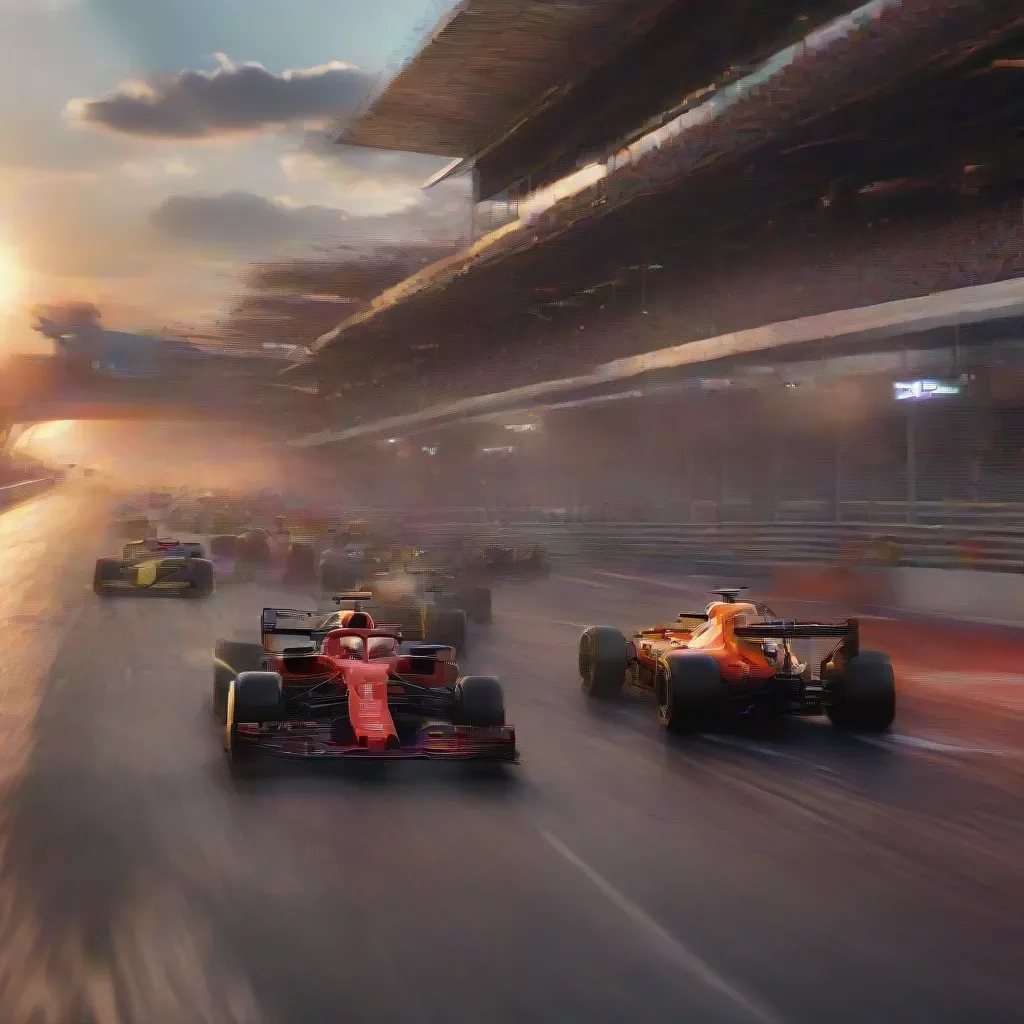
Formula 1 is on the cusp of a significant transformation with the introduction of the 2026 regulations, and one of the most exciting changes revolves around how drivers will execute overtakes. Goodbye DRS, hello proximity-based electrical power override! This new system aims to provide a thrilling, perhaps riskier, and ultimately more satisfying overtaking experience for drivers and fans alike. Instead of relying on a drag reduction system (DRS), which has often been criticized for its artificial feel, the new approach seeks to harness electrical energy deployment and active aerodynamics to create genuine overtaking opportunities.
The core idea is an “overtake mode” – though the final name may vary – that offers a temporary boost in power to the pursuing car. This boost, delivered through the Motor Generator Unit-Kinetic (MGU-K), will be strategically deployed based on proximity to the car ahead. Furthermore, active aerodynamics might play a role, allowing drivers to adjust their car’s wings for optimal downforce or drag reduction depending on the situation. The goal is to level the playing field momentarily, allowing drivers to capitalize on skill and strategic maneuvering rather than relying solely on a DRS-assisted speed advantage.
The shift away from DRS is not without its potential drawbacks. Some worry that the new system could be overly complex or create unintended consequences. The FIA aims to walk a fine line, ensuring the system is effective in promoting overtaking while maintaining fairness and sporting integrity. Whether this new approach will truly enhance the spectacle of Formula 1 remains to be seen, but it undoubtedly represents a bold step towards a more dynamic and engaging racing future.
Overtake Mode Explained
The mechanics of the new “overtake mode” are relatively straightforward in principle. When a car is within a certain proximity of the car in front, typically around one second as was with DRS, the pursuing car’s MGU-K will be allowed to deploy its stored energy at a higher rate than normally permitted. This provides a temporary surge of extra horsepower, giving the attacking driver a crucial edge when attempting a pass. An FIA Standard ECU will likely govern the activation and duration, ensuring a level playing field. The override ceases to apply when the pursuing car is no longer within the specified proximity of the car ahead, ensuring the advantage is only available when actively attempting an overtake. Strategic activation zones might also be pre-determined and placed through the circuit, similar to the DRS zones currently used.
Active Aerodynamics as an Alternative
Beyond the electrical power boost, active aerodynamics are being considered as a further overtaking assist. This could involve adjustable front and rear wings that can be reconfigured on the fly to either increase downforce for better cornering or reduce drag for higher straight-line speed. Such a system would allow drivers to fine-tune their car’s setup based on the specific demands of the track and the evolving race situation. In the future the driver of a car behind may have the ability to increase straight line speed with an active aerodynamic device linked to the power unit. The exact implementation is still under discussion, but the potential to combine electrical power override with active aero adjustments represents a significant departure from the current DRS regime, promising a more nuanced and skill-dependent approach to overtaking.
Conclusion
DRS has undeniably reshaped overtaking in Formula 1. It introduced a calculated element to race strategy. Drivers and teams meticulously plan when and where to deploy DRS. This adds a layer of complexity to decision-making both on the track and in the pit lane.
However, DRS is not without its critics. Some argue that it artificially inflates overtaking opportunities, overshadowing pure driver skill. The debate ignites passion among fans. This underscores the fundamental question of balance between manufactured excitement and authentic racing prowess.
Looking ahead, the sport faces a potential paradigm shift. Upcoming regulatory changes could redefine how overtaking is achieved in Formula 1. The direction taken will significantly impact the future of racing. The outcome of this debate remains pivotal for Formula 1’s appeal to drivers and fans alike. It also influence the very essence of on-track battles.