The NBA’s Three-Point Obsession: A Revolution in Modern Basketball
Consider this: in a typical NBA game today, teams launch an average of over 35 three-point attempts. Rewind to the 1980s, and that number barely cracked a handful. This dramatic shift isn’t just a statistical blip; it’s a full-blown revolution that has fundamentally reshaped the landscape of professional basketball.
The dominance of the three-point shot has ushered the NBA into a new, modern era. Gone are the days of solely relying on overpowering centers and intricate post-up plays. Now, spacing, perimeter shooting, and offensive versatility reign supreme. This article explores the fascinating journey of the NBA’s three-point obsession – from its humble beginnings and initial skepticism to its current status as an indispensable weapon. Prepare to uncover the key factors driving this phenomenon, along with its profound implications for the future of the game.
Genesis of the Three-Point Shot
Early Days and Skepticism
The three-point line, a seemingly permanent fixture in modern basketball, began its journey as something of a sideshow. When the American Basketball Association (ABA) introduced it in the late 1960s, many considered it a gimmick, a way to inject excitement into a struggling league. The established basketball world, steeped in tradition, largely dismissed it. The idea of rewarding a shot from beyond a certain distance with extra points felt foreign, even absurd, to some coaches and players accustomed to a more traditional, inside-out game. Early adoption was slow. Players weren’t necessarily coached to utilize it, leading to inconsistent and sometimes comical attempts from downtown. It was a novelty, an experiment yet to prove its worth.
Key Figures in Early Adoption
Despite the initial skepticism, certain players began to see the potential of the three-point shot. While it wasn’t immediately a game-changer, players like Larry Bird started to incorporate it strategically, demonstrating its value as a weapon to stretch defenses. Dale Ellis, with his quick release, showcased the three-pointer’s ability to shift momentum. Reggie Miller, though his prime came later, represents its ascension to prominence. These early adopters, though not always exclusively three-point specialists, understood the geometry of the court, recognizing how a well-timed shot from beyond the arc could swing the game’s intensity. Slowly and steadily, they chipped away at the prevailing notion that the three-pointer was a mere gimmick, paving the way for its eventual embrace by the NBA and its complete integration into basketball strategy.
The Analytical Revolution
The NBA landscape dramatically shifted with the rise of data analytics, forever altering how teams valued and utilized the three-point shot. This wasn’t just about increased volume; it was a fundamental change in understanding shot selection through the lens of expected value. The concept is simple: calculate the points a shot is likely to generate, factoring in its probability of success. Early adopters realized that even with a lower shooting percentage, the higher point value of a three-pointer could, in many situations, yield a greater expected value than a mid-range jumper.
This analytical approach, sometimes referred to as “Moreyball” after former Houston Rockets General Manager Daryl Morey, who heavily emphasized data-driven decisions, wasn’t universally embraced at first. However, as teams witnessed the success of those prioritizing efficient shot selection and floor spacing, a league-wide transformation began. Suddenly, data scientists became vital members of NBA front offices, wielding the power to influence player acquisitions, game strategies, and even coaching philosophies.
Understanding Expected Value
Witnessing the shift in how organizations operate has been remarkable. Previously, gut instinct and traditional scouting reports held supreme. Now, data analytics plays a crucial role in player evaluation. If a player has a consistently better three-point percentage, data helps to reveal the potential advantages of playing that player. This change was tough for some since it challenged how they perceive certain aspects of their game.
Data Driven Decision Making
The shift towards data-driven decision-making has been felt across all levels, from coaches adjusting playbooks to front offices overhauling roster construction. The most successful teams are the ones that effectively blend traditional basketball wisdom with the insights gleaned from analytics. Some teams have invested heavily in their analytics departments, building sophisticated models to project player performance and identify undervalued assets. It’s an ongoing evolution, but one thing is clear: data is now an indispensable part of the NBA.

Key Players and Teams
Influential Players
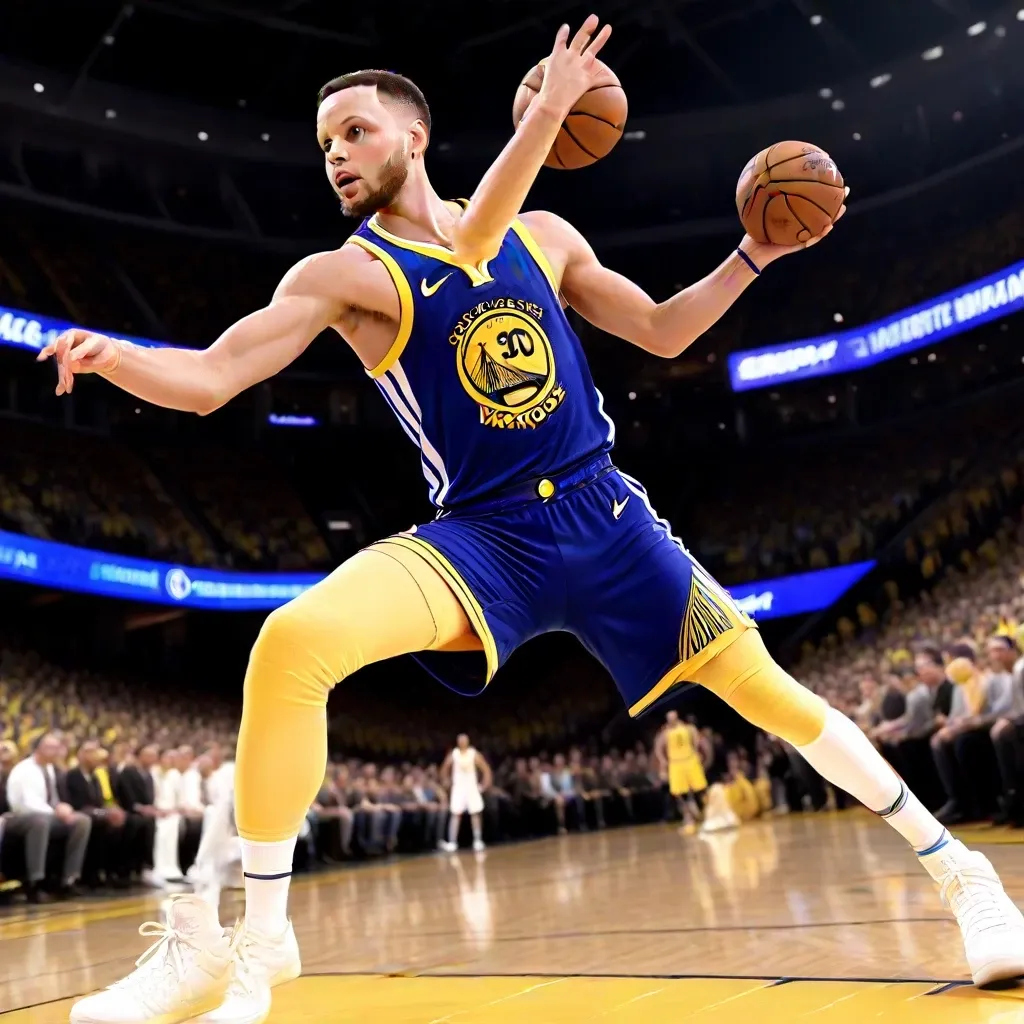
The modern NBA landscape has been undeniably shaped by a few key players who have revolutionized offensive strategies, most notably through their mastery of the three-point shot. Stephen Curry stands out as a prime example. His ability to consistently hit shots from well beyond the arc, coupled with his incredible ball-handling skills, forces defenses to stretch and adapt in unprecedented ways. Curry’s influence extends beyond his scoring; he creates opportunities for his teammates and warps the entire geometry of the court.
James Harden is another player who has significantly impacted the game. During his time with the Houston Rockets, Harden weaponized the three-point shot like never before, blending it with his exceptional ability to draw fouls. This led to extremely high-scoring seasons and forced teams to devise entirely new defensive schemes to contain him. Players of that level are not easily found.
Influential Organizations
The Golden State Warriors, with Stephen Curry at the helm, have been at the forefront of this offensive revolution. Their fluid ball movement, emphasis on spacing, and reliance on the three-point shot have not only led to multiple championships but have also inspired countless other teams to emulate their style of play. They have demonstrated the effectiveness of building a team around skilled shooters and a system that promotes open looks from beyond the arc.
Similarly, the Houston Rockets, under the leadership of coach Mike D’Antoni and with James Harden as their primary offensive weapon, made a conscious decision to prioritize the three-point shot and layups above all else. This analytical approach to the game challenged conventional wisdom and pushed the boundaries of offensive efficiency and was very close to win a championship. These teams demonstrated the power of embracing the three-point shot as a central component of their offensive strategy, forever changing the way basketball is played.
Strategic Implications
How Spacing Changes the Game
The ascendance of the three-point shot has fundamentally altered the geometry of basketball. Before, offenses often clogged the paint, leading to congested drives and post-ups. Now, the threat of a kick-out to a shooter lurking beyond the arc forces defenders to spread out, creating driving lanes that were once unimaginable. This spacing revolution empowers ball-handlers, giving them room to operate and make plays. Imagine a pick-and-roll scenario: with capable shooters stationed on the wings, the defense can’t simply collapse on the roller. They must respect the perimeter threat, opening up opportunities for the ball-handler to either attack the basket or dish to an open teammate. Shot creation becomes less about brute force and more about exploiting defensive vulnerabilities created by the spacing. It’s like watching a chess match unfold in real-time, with each player’s position dictating the next move.
Adapting to Space
Defenses have been forced to evolve in response to this increased spacing and the proliferation of three-point threats. Gone are the days of simply packing the paint and daring teams to shoot from deep. Now, help rotations are quicker and more precise, demanding near-telepathic communication between defenders. Zone defenses, once a rarity in the NBA, are now deployed more frequently as teams seek to confuse offenses and limit open looks from beyond the arc. The emphasis has shifted from individual matchups to team-oriented defensive schemes, where every player is responsible for covering ground and closing out on shooters. It’s a constant game of cat and mouse, with offenses and defenses continually adjusting to each other’s strategies. The increased reliance on switching defenses, while sometimes effective, can also be exploited by savvy offensive players who can identify and attack mismatches.
The Modern Game
Shot Selection
Modern basketball offense revolves around efficiency, prioritizing shots at the rim and three-pointers while minimizing mid-range attempts. This “Rim and 3s” approach stems from data analysis proving these shots yield the highest points per possession. Teams meticulously analyze opponent tendencies, positioning players to exploit weaknesses and create open looks from beyond the arc or clear driving lanes for layups. Offensive systems emphasize ball movement, player movement, and spacing to maximize opportunities for high-value shots. The goal is to dictate the terms of engagement, forcing defenses to react and creating mismatches that can be exploited for easy scores. For instance, teams like the Boston Celtics exemplify this strategy, consistently generating open 3-point looks and attacking the basket with speed and precision.
Defense and Rotation
Defense in the modern NBA is a complex, interconnected system built on communication, agility, and strategic rotations. “Help defense” is paramount, where defenders stunt towards the ball-handler to discourage drives. These short bursts of pressure disrupt the offensive flow, forcing opponents into tougher shots or turnovers. Simultaneously, other defenders rotate to cover the vacated spaces, preventing easy passes and maintaining a strong defensive presence across the court. This constant movement and communication require exceptional teamwork and anticipation. A breakdown in one area can trigger a chain reaction, leaving gaps in the defense and allowing the offense to capitalize. Teams like the Denver Nuggets, known for their defensive versatility, showcase this effectively, switching matchups, and rotating seamlessly to stifle opponents’ attacks.
Future Trends
Four Point Line?
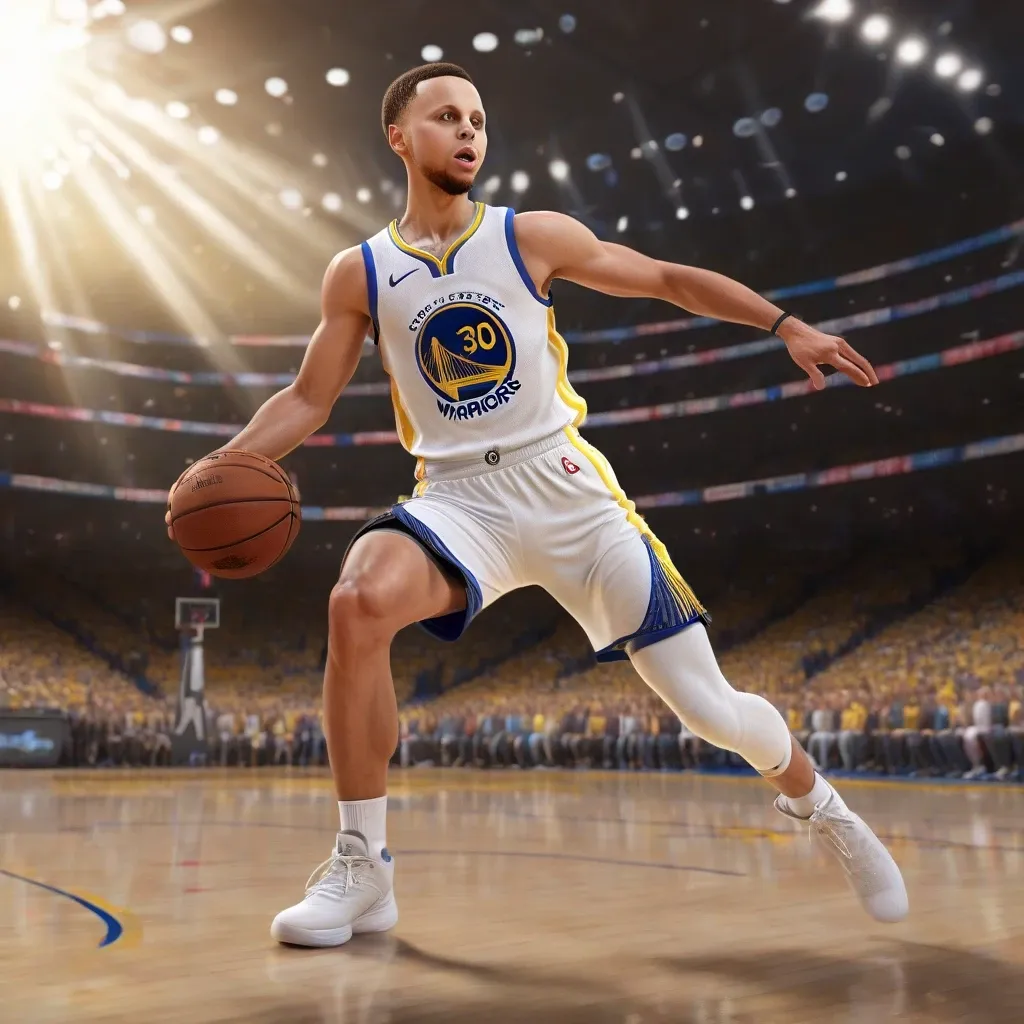
The NBA is a copycat league when something works, everybody does it. As three-point shooting continues its reign, the question arises: what’s next? The most radical change, and one often debated, is the introduction of a four-point line. Imagine the strategic complexities this would add. Should it be a super deep shot rewarding only the most elite shooters, or a more accessible distance to encourage greater risk-reward calculations? A four-point line could force defenses to stretch even thinner, opening up driving lanes and interior opportunities. It might also lead to some truly wild end-of-game scenarios. It is easy to imagine that the game will become even more based on analytics. Four point line will probably reward those who shoot over 40% from deep.
What is next defensively?
Defensively, teams can’t simply concede open looks from beyond the arc. Expect to see even more elaborate and aggressive rotations, prioritizing getting a hand in the shooter’s face without over-committing and leaving other threats open. Perhaps we’ll see a resurgence of zone defenses, specifically designed to confuse offenses predicated on constant ball movement and spacing like todays NBA teams. Another area of defensive innovation could be in pre-emptive help defense, where defenders anticipate driving lanes and passing angles, disrupting the offensive flow before it fully develops. Ultimately, the key will be versatility – the ability to switch defensive schemes and adapt to different offensive styles on the fly.
Conclusion
In conclusion, the three-point shot has revolutionized the NBA and is very relevant for basketball. In modern NBA, it’s not just a weapon; it’s a fundamental part of the game that dictates strategy, player development, and team success. The journey of the three-point shot—from a novelty to a necessity—underscores the league’s constant evolution, driven by innovation and the pursuit of excellence.
As we look forward, the three-point line will continue to shape the game. The legacy of the arc is already secure. So, its future promises to be even more groundbreaking. The story of the three-point shot is a testament to the transformative power of a single rule change in modern basketball.